
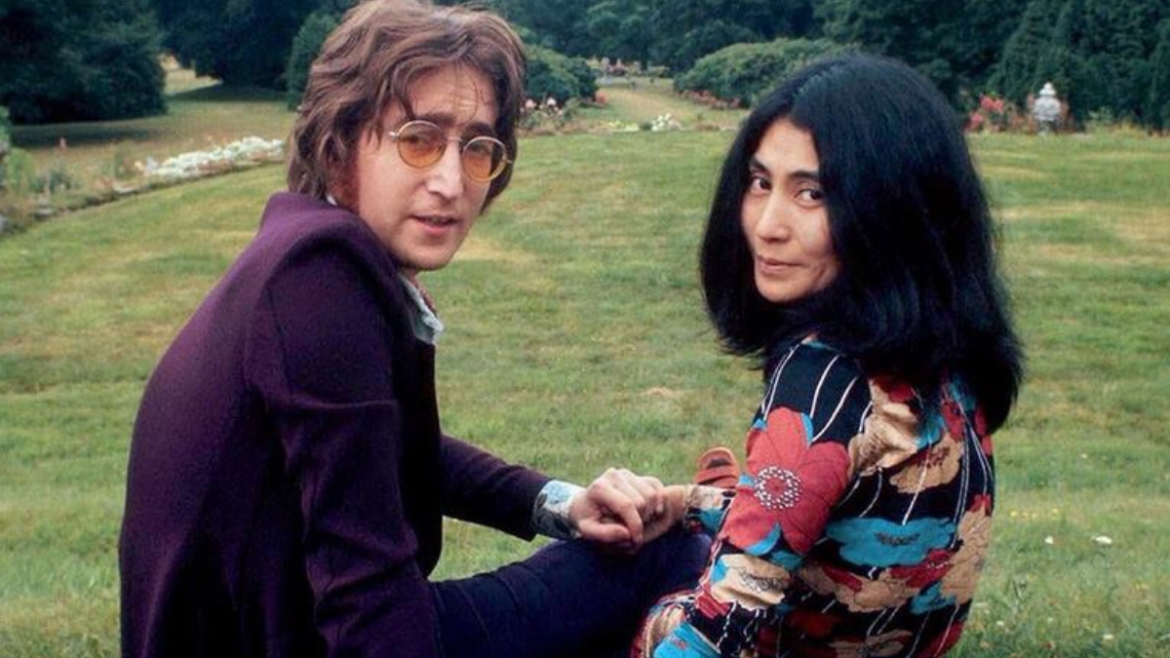
In March of 1966, John Lennon would make the comment “We’re more popular than Jesus now; I don’t know which will go first, rock ‘n’ roll or Christianity…” during an interview with Maureen Cleave of the London Evening Standard. A statement which would go on to frame itself in the hall of fame regarding The Beatles’ many historical pop culture moments, due to the extensive backlash the band faced. Once the publication was reprinted in the United States the uproar caused by this remark would spark radio bans and record burnings throughout the southern region of the country better known as the Bible Belt. The effects of this remark would go on to follow Lennon for the rest of his life, although his struggles with religion would also be what initiated a widely forgotten connection between the late musician and the city of Lexington.
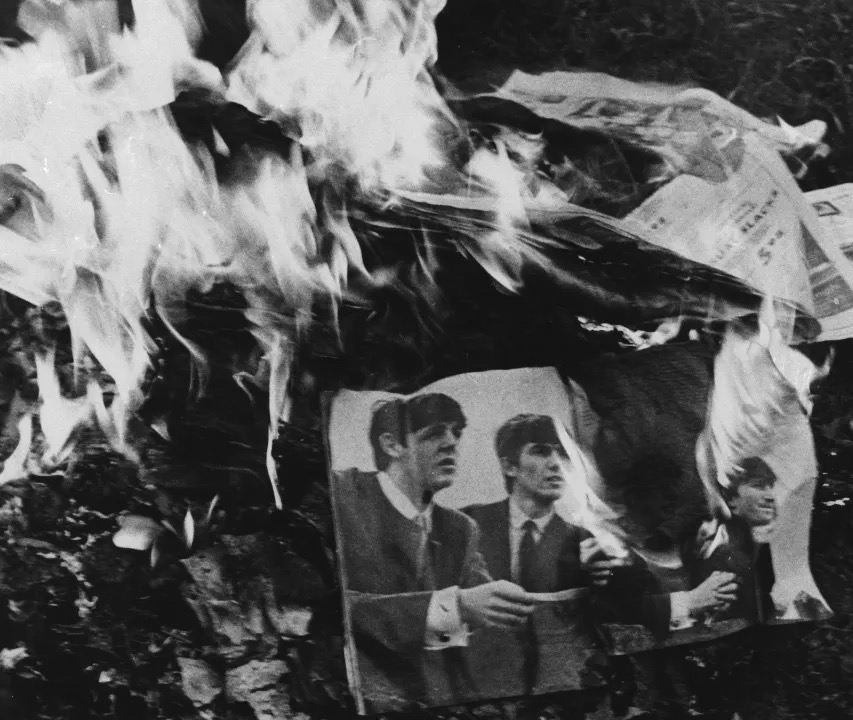
In just the two years since The Beatles first arrived in America, the band were arguably already the most famous and influential act in the world; a status that made Lennon’s remarks land with almost immediate force when news of the comment reached the American media. It took over four months for the comment to reach headlines across the pond, but once it was republished in the American teen magazine Datebook, local radio DJs throughout the American South would spearhead the “Ban the Beatles” movement, infamously hosting “Beatle Bonfires” to encourage the masses to destroy their Beatles memorabilia. Simultaneously, The Beatles were gearing up to embark on what would become their final North American tour just a month later with contracts believed to have been signed for the Fab Four to perform at the Louisville fairgrounds.
As tensions for their North American tour continued to rise across the Bible Belt, it’s believed by Louisville Public Media journalist C.D. Kaplan that The Beatles were unfortunately thrust out of the bluegrass state when it came time to perform, despite the already signed contracts. As Kaplan deems, the decision supposedly came down to the Kentucky State Fair Board, stating “The rest of the story is that they could have, should have and intended to play at the Fairgrounds in Louisville. Which I know for a fact because promoter Martin Cohn showed me the actual contract signed by Brian Epstein, but it was eventually rejected by the State Fair Board, because it would have been too close to the State Fair and impeded preparation.” Although it’s believed that Lennon narrowly missed the opportunity to visit the Commonwealth; his struggle with religious themes as seen earlier in the year would eventually not only link him to the state but also tie him directly to Lexington.
In 1971, John Lennon had become a political activist and more spirited in his belief of world peace as a result of The Beatles’ breakup just a few years prior, even going so far as to host a bed-in for peace as a nonviolent protest for the Vietnam war. During this time, Lennon would also release what would become his essential album, Imagine, while the religious themes the musician struggled to combat against just five years previous continued to be a battle in his life even all the way from Lexington, Kentucky. As former University of Kentucky student Tom Bonfield would write Lennon, sharing his own personal religious testimony attempting to share his religion with the musician as a result of the more bleak themes found in his most recent release. Shockingly, Lennon would write back in a letter dated Oct. 1, 1971 stating “Listen, Brother, Why don’t you Jesus Freaks get off people’s backs?” He continued, “It’s been the same for two thousand years won’t you ever learn? Those who know do not speak, those who speak do not know, your peace of mind doesn’t show in your neurotic letter, son. One man’s meat brother! Peace off!” Bonfield would later publicly state that he didn’t intend to upset Lennon, “His angry response was totally unexpected.”
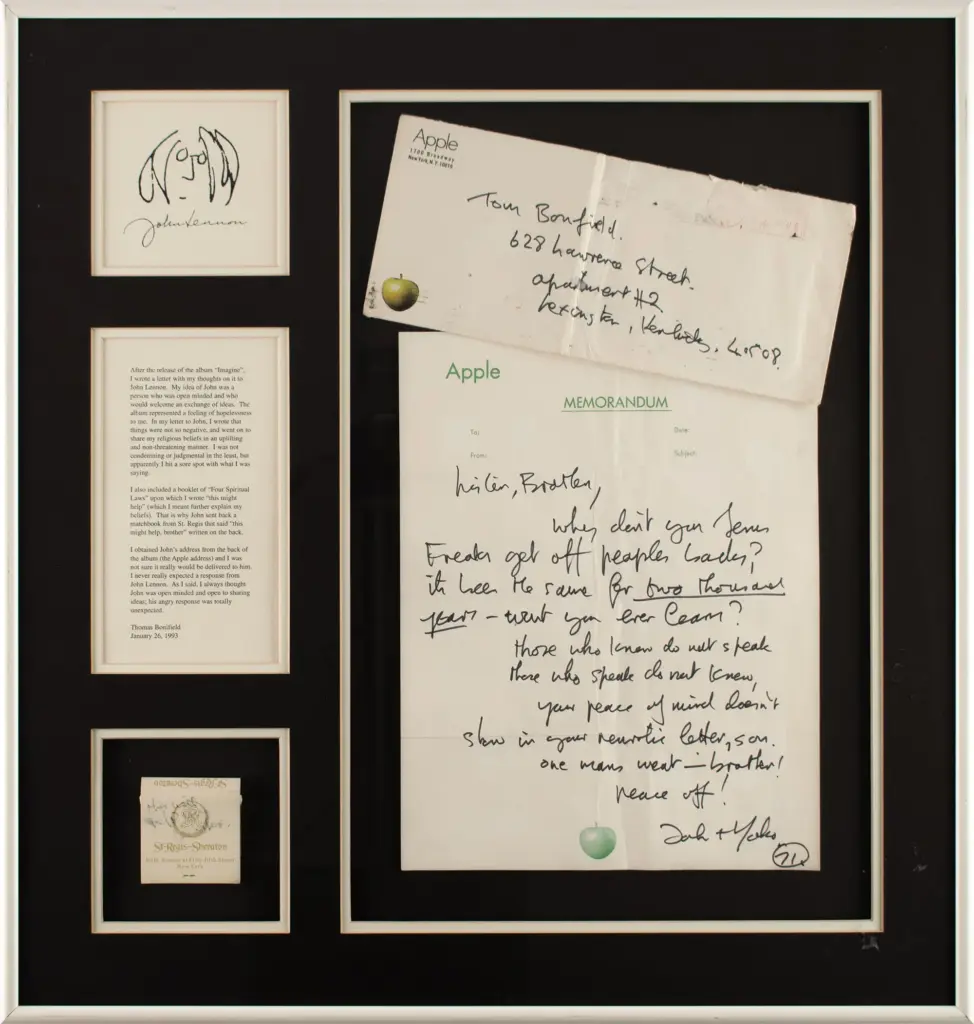
Although The Beatles’ tour date in Louisville is speculated to have been ultimately retracted, Lennon’s famed remarks at the height of Beatlemania eventually led the late musician back to The Commonwealth. According to the Lexington-Herald Leader, the unique piece of Kentuckian history went up for auction alongside similar historic items such as Bob Dylan’s handwritten “Blowin’ in the Wind” lyrics. The intense personal letter from the late Beatle would end up selling for $31,251 at auction in November 2020 according to RR Auction House. Lennon’s handwritten exchange with a University of Kentucky student highlights that his ties to the Bluegrass State go deeper than what most imagine.
Sources
Cleave, Maureen. “John Lennon Interview: How Does a Beatle Live?” London Evening Standard, March 4, 1966. http://www.beatlesinterviews.org/db1966.0304-beatles-john-lennon-were-more-popular-than-jesus-now-maureen-cleave.html.
“KLUE Radio, Texas, Organises Public Beatles Bonfire .” The Beatles Bible, August 13, 1966. https://www.beatlesbible.com/1966/08/13/klue-radio-in-texas-organises-a-public-beatles-bonfire/.
“John Lennon Autograph Letter Signed and Matchbook .” RR Auction, November 19, 2020. https://www.rrauction.com/auctions/lot-detail/343668705965212-john-lennon-autograph-letter-signed-and-matchbook/.
Kaplan, C.D. “Rock & Roll Rewind: Beatles 1966.” Louisville Public Media, June 23, 2023. https://www.lpm.org/music/2023-06-23/rock-roll-rewind-beatles-1966.
Ward, Karla. “Angry Letter from John Lennon to a Ky Man Is Being Auctioned .” Lexington Herald-Leader, November 8, 2020. https://www.kentucky.com/entertainment/celebrities/article247027902.html.